Launching an online store is easier than ever, but building one that consistently generates sales requires more than simply listing products. Customers expect fast-loading pages, intuitive navigation, secure payments, and a seamless shopping experience across all devices. If your website is difficult to use or lacks important functionality, visitors are likely to leave before making a purchase. Whether you’re starting a new online business or redesigning an existing store, including the right ecommerce website features can improve customer satisfaction, increase conversions, and support long-term growth.
Your website is often the first interaction customers have with your business. A professional, user-friendly online store builds trust and makes it easy for shoppers to browse products, compare options, and complete purchases.
Well-designed ecommerce functionality also improves search engine visibility, reduces cart abandonment, and encourages repeat purchases. Investing in the right features from the beginning creates a stronger foundation for future growth and scalability.
Customers should be able to find products quickly without feeling overwhelmed. Clear navigation menus, logical product categories, and well-organized collections make shopping easier and improve the overall user experience.
Adding breadcrumb navigation, filters, and sorting options helps visitors narrow their search based on categories, price, size, color, brand, or other product attributes. The easier it is to find products, the more likely customers are to make a purchase.
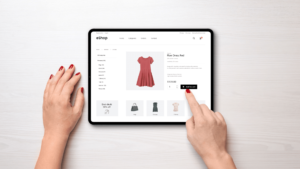
Product pages play a major role in purchasing decisions. They should provide enough information to help customers buy with confidence.
Every product page should include high-resolution images from multiple angles, detailed product descriptions, specifications, pricing, availability, sizing information, shipping details, and return policies. Videos, 360-degree product views, and downloadable guides can further improve customer confidence.
Clear calls to action such as “Add to Cart” or “Buy Now” should be prominently displayed and easy to access on both desktop and mobile devices.
Many shoppers prefer using the search bar instead of browsing categories. A fast and accurate search feature helps customers quickly locate products, improving both user experience and conversion rates.
Modern ecommerce websites should support autocomplete suggestions, spelling corrections, product recommendations, and filters that allow users to refine search results. Intelligent search functionality reduces frustration and helps customers discover relevant products more efficiently.
The checkout process should be simple, secure, and free of unnecessary steps. Complicated checkouts are one of the leading causes of cart abandonment.
Allow customers to review their orders, update quantities, apply discount codes, and estimate shipping costs directly from the shopping cart. Offering guest checkout alongside account creation provides flexibility and reduces friction for first-time buyers.
Minimizing form fields, displaying progress indicators, and providing clear error messages create a smoother checkout experience.
Customers expect flexible payment options when shopping online.
Your ecommerce website should support trusted payment gateways such as credit and debit cards, digital wallets, and buy-now-pay-later solutions where appropriate. Secure payment processing builds customer confidence and protects sensitive financial information.
Displaying recognized security badges and SSL encryption also reassures customers that their transactions are protected.
Product reviews are one of the most influential factors in online purchasing decisions. Positive reviews build trust, answer common questions, and provide social proof that encourages new customers to buy.
Allow customers to leave ratings, written reviews, and photos whenever possible. Displaying authentic customer feedback increases credibility while helping shoppers make informed purchasing decisions.
Responding to reviews—both positive and negative—also demonstrates strong customer service and builds brand trust.
With mobile shopping continuing to grow, responsive design is essential for every ecommerce website.
Your online store should automatically adapt to different screen sizes while maintaining fast loading speeds, easy navigation, readable text, and touch-friendly buttons. Product images, checkout forms, and payment options should function smoothly across smartphones, tablets, and desktop computers.
A mobile-optimized website not only improves customer experience but also supports better search engine rankings.
Website speed has a direct impact on customer satisfaction and conversions. Slow-loading pages often cause visitors to leave before exploring your products.
Optimize images, minimize unnecessary code, enable browser caching, and use reliable hosting to improve loading performance. Regular speed testing and ongoing optimization help ensure your website continues delivering a fast and reliable shopping experience.
A faster website also contributes to stronger SEO performance and improved Core Web Vitals.
Security is essential for protecting both your business and your customers.
Implement HTTPS encryption across your entire website, keep software and plugins updated, and use secure payment gateways to safeguard sensitive information. Regular security monitoring and backups help reduce the risk of cyber threats and ensure business continuity.
Customers are more likely to complete purchases when they trust that their personal and payment information is protected.
An ecommerce website should be built with search engine optimization and digital marketing in mind.
SEO-friendly URLs, optimized product pages, structured data, internal linking, and fast page speeds improve visibility in search engines. Integration with email marketing platforms, customer relationship management (CRM) systems, social media channels, and analytics tools supports ongoing customer engagement and business growth.
Marketing automation can also help recover abandoned carts, recommend products, and nurture customer relationships after a purchase.
Understanding customer behavior is essential for improving your online store.
Analytics tools allow you to monitor website traffic, conversion rates, shopping cart abandonment, product performance, and customer journeys. These insights help identify opportunities for optimization and support data-driven business decisions.
Regular performance reviews ensure your ecommerce website continues meeting customer expectations while maximizing revenue.
Building a successful online store requires more than attractive design. The best ecommerce websites combine user-friendly navigation, detailed product pages, secure checkout, flexible payment gateways, responsive mobile design, customer reviews, fast performance, and strong security to create a seamless shopping experience. By investing in these essential ecommerce website features, businesses can improve customer satisfaction, increase conversion rates, and establish a scalable foundation for long-term growth. Whether you’re launching a new online store or upgrading an existing one, prioritizing functionality and user experience will help your business stay competitive in today’s digital marketplace. Get in touch with Kinetik Agency to create an ecommerce website that combines modern design, seamless functionality, and powerful features to drive more sales and strengthen your online presence.