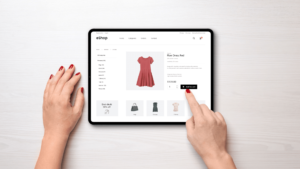
The ecommerce industry continues to evolve rapidly, and customer expectations are higher than ever. Modern shoppers expect online stores to deliver fast performance, intuitive navigation, personalized experiences, and seamless purchasing processes. In 2026, having an ecommerce website is no longer enough. Businesses must provide a user experience that makes browsing, comparing, and purchasing products as simple as possible. A well-designed ecommerce website not only improves customer satisfaction but also increases conversions, reduces cart abandonment, and strengthens brand loyalty. Whether you are launching a new online store or upgrading an existing one, understanding the essential features of modern ecommerce website development can help your business stay competitive and drive sustainable growth.
The success of an ecommerce business depends heavily on the experience customers have while interacting with the website. Visitors quickly form opinions about a brand based on website usability, speed, and functionality. If a website feels difficult to navigate or slow to load, customers often leave and purchase from competitors instead. Essential ecommerce features help eliminate friction throughout the shopping journey and create an environment that encourages customers to complete purchases.
Consumers are influenced by the experiences provided by major online retailers. As a result, they expect fast-loading websites, personalized recommendations, simple navigation, and convenient checkout processes regardless of the size of the business. Ecommerce websites that fail to meet these expectations risk losing valuable sales opportunities.
Every feature on an ecommerce website contributes to the overall customer experience. When users can easily find products, compare options, and complete transactions, they are more likely to make purchases. Investing in the right ecommerce functionality helps improve conversion rates and maximize revenue.
Mobile commerce continues to account for a significant portion of online sales. Customers increasingly browse and shop using smartphones and tablets, making mobile optimization a necessity rather than an option. A mobile-first design approach ensures that ecommerce websites function seamlessly across all devices and screen sizes.
Customers often switch between devices while researching products and making purchasing decisions. Responsive design ensures that website functionality, navigation, and content remain consistent regardless of whether users are browsing on mobile devices, tablets, or desktop computers. This consistency improves user satisfaction and supports higher conversion rates.
Search engines prioritize mobile-friendly websites when determining rankings. Mobile responsiveness not only improves user experience but also strengthens SEO performance. Ecommerce businesses that optimize for mobile users gain advantages in both search visibility and customer engagement.
Website speed remains one of the most important factors influencing ecommerce success. Modern consumers expect websites to load quickly, and even minor delays can negatively affect user engagement and conversions. Fast websites create smoother shopping experiences and encourage customers to remain on the site longer.
Slow-loading product pages and checkout processes often cause shoppers to abandon their purchases. Optimizing website performance helps eliminate delays and creates a more seamless purchasing experience. Improved speed directly contributes to higher conversion rates and customer satisfaction.
Search engines consider page speed when evaluating website quality. Faster websites often achieve better rankings and attract more organic traffic. Investing in website performance supports both SEO and ecommerce growth objectives.
As product catalogs grow larger, customers need efficient ways to find specific items. Advanced search and filtering functionality helps users locate products quickly and improves the overall shopping experience.
Modern ecommerce search systems can recognize spelling variations, synonyms, and customer intent. Intelligent search functionality helps shoppers find relevant products even when they do not use exact product names. This improves product discovery and increases sales opportunities.
Customers often narrow their options based on categories, price ranges, sizes, colors, brands, and other attributes. Effective filtering systems help users quickly identify products that meet their needs. Simplified browsing experiences reduce frustration and encourage purchases.
Product pages play a critical role in influencing purchasing decisions. Shoppers rely on product information, images, and descriptions to evaluate items before making purchases. Well-designed product pages help build confidence and improve conversion rates.
Comprehensive product descriptions help customers understand features, benefits, specifications, and usage information. Detailed content reduces uncertainty and supports informed purchasing decisions. Clear descriptions also contribute to search engine visibility.
Visual content allows customers to examine products more closely. High-quality images, multiple viewing angles, and demonstration videos help shoppers better understand products before purchasing. Enhanced visual experiences often lead to higher conversion rates.
Personalization has become a key differentiator in ecommerce. Customers increasingly expect online stores to provide recommendations and experiences tailored to their interests and behavior.
Recommendation engines analyze browsing and purchasing behavior to suggest relevant products. Personalized recommendations help customers discover additional items and often increase average order values. These suggestions create more engaging shopping experiences.
Personalized content, promotions, and product suggestions help customers feel valued. Tailored experiences strengthen customer relationships and encourage repeat purchases. Retention strategies become increasingly important as competition grows.
The checkout process is one of the most critical stages of the customer journey. Complex or confusing checkout experiences often lead to abandoned carts and lost revenue. Ecommerce websites should prioritize simplicity and security.
Customers want to complete purchases quickly without unnecessary steps. Simplified checkout forms, guest checkout options, and clear progress indicators help reduce friction. Easier checkout experiences increase the likelihood of completed transactions.
Online shoppers expect businesses to protect their personal and payment information. Secure payment gateways, encrypted connections, and transparent security measures help establish trust. Customers are more likely to complete purchases when they feel confident about data protection.
Different customers prefer different payment methods. Offering multiple payment options improves convenience and increases conversion opportunities by accommodating various preferences.
Modern ecommerce websites should support credit cards, digital wallets, buy-now-pay-later services, and other popular payment solutions. Flexible options help businesses serve broader audiences and reduce checkout abandonment.
Convenient payment methods streamline transactions and reduce the effort required to complete purchases. Faster payment experiences contribute to higher customer satisfaction and stronger sales performance.
Online shoppers frequently rely on reviews and ratings when evaluating products. Social proof helps build trust and provides reassurance that products meet expectations.
Authentic customer feedback offers valuable insights into product quality and performance. Positive reviews increase confidence and often encourage hesitant shoppers to complete purchases. User-generated content enhances credibility and transparency.
Customer testimonials, ratings, and review systems demonstrate that real people have successfully purchased and used products. Strong social proof helps establish trust and differentiate businesses from competitors.
Accurate inventory information is essential for maintaining positive customer experiences. Shoppers expect product availability information to be current and reliable.
Displaying accurate inventory levels helps customers make informed decisions. Real-time updates reduce the likelihood of overselling products and improve operational efficiency. Transparency enhances customer satisfaction.
Integrated inventory management solutions streamline product tracking, order fulfillment, and stock management. Efficient operations support better customer experiences and long-term scalability.
Customer support remains a critical component of ecommerce success. AI-powered tools help businesses provide timely assistance while improving efficiency.
AI chatbots and virtual assistants can answer common questions, provide product information, and guide customers through the purchasing process. Immediate support helps reduce friction and improve user experiences.
Automated support solutions allow businesses to handle larger volumes of customer inquiries without sacrificing service quality. This efficiency supports growth while maintaining customer satisfaction.
Data-driven decision-making helps ecommerce businesses understand customer behavior and optimize performance. Analytics tools provide valuable insights into how users interact with websites and products.
Analytics reveal which products perform best, where customers abandon the purchasing process, and which marketing channels generate results. These insights support continuous improvement and strategic decision-making.
Monitoring key performance indicators helps businesses identify opportunities for optimization. Data-driven strategies enable ecommerce companies to improve conversions, customer retention, and profitability.
Technology and customer expectations will continue evolving. Businesses that invest in scalable ecommerce platforms and modern functionality position themselves for long-term success.
Growing businesses require websites capable of handling increased traffic, larger product catalogs, and expanding customer bases. Scalable ecommerce platforms provide the flexibility needed to support future growth.
Successful ecommerce businesses regularly evaluate emerging technologies and customer trends. Adapting to changing expectations helps maintain relevance and competitive advantages in dynamic markets.
Ecommerce success in 2026 requires more than simply offering products online. Customers expect fast, personalized, secure, and convenient shopping experiences across all devices. Essential features such as mobile-first design, advanced search functionality, high-quality product pages, personalized recommendations, streamlined checkout processes, secure payment options, customer reviews, inventory management, AI-powered support, and analytics tools all contribute to stronger business performance. By investing in modern ecommerce website development and focusing on user experience, businesses can attract more customers, increase conversions, and achieve sustainable growth in an increasingly competitive digital marketplace. Contact us today to build a modern ecommerce website that enhances user experience, increases conversions, and drives sustainable business growth in 2026.